

Five Clear Signs Your KL Home Needs a Deep Clean
Bathroom grout darkening, kitchen grease film, persistent odours, allergy symptoms. Five clear signs it's time.
Our team has observed a clear pattern across hundreds of Klang Valley properties. Routine cleaning acts as your daily maintenance layer. Knowing when does my home need a deep clean saves you from dealing with permanent surface damage later.
We know that deciding exactly when one stops being enough and the other becomes necessary is a common challenge.
You will notice specific physical indicators long before the mess gets out of hand. These specific signs need deep cleaning attention before permanent damage occurs. Our specialists have documented these patterns across 250+ local homes to help you identify the tipping point.
Sign 1: Bathroom Grout Is Visibly Darkening
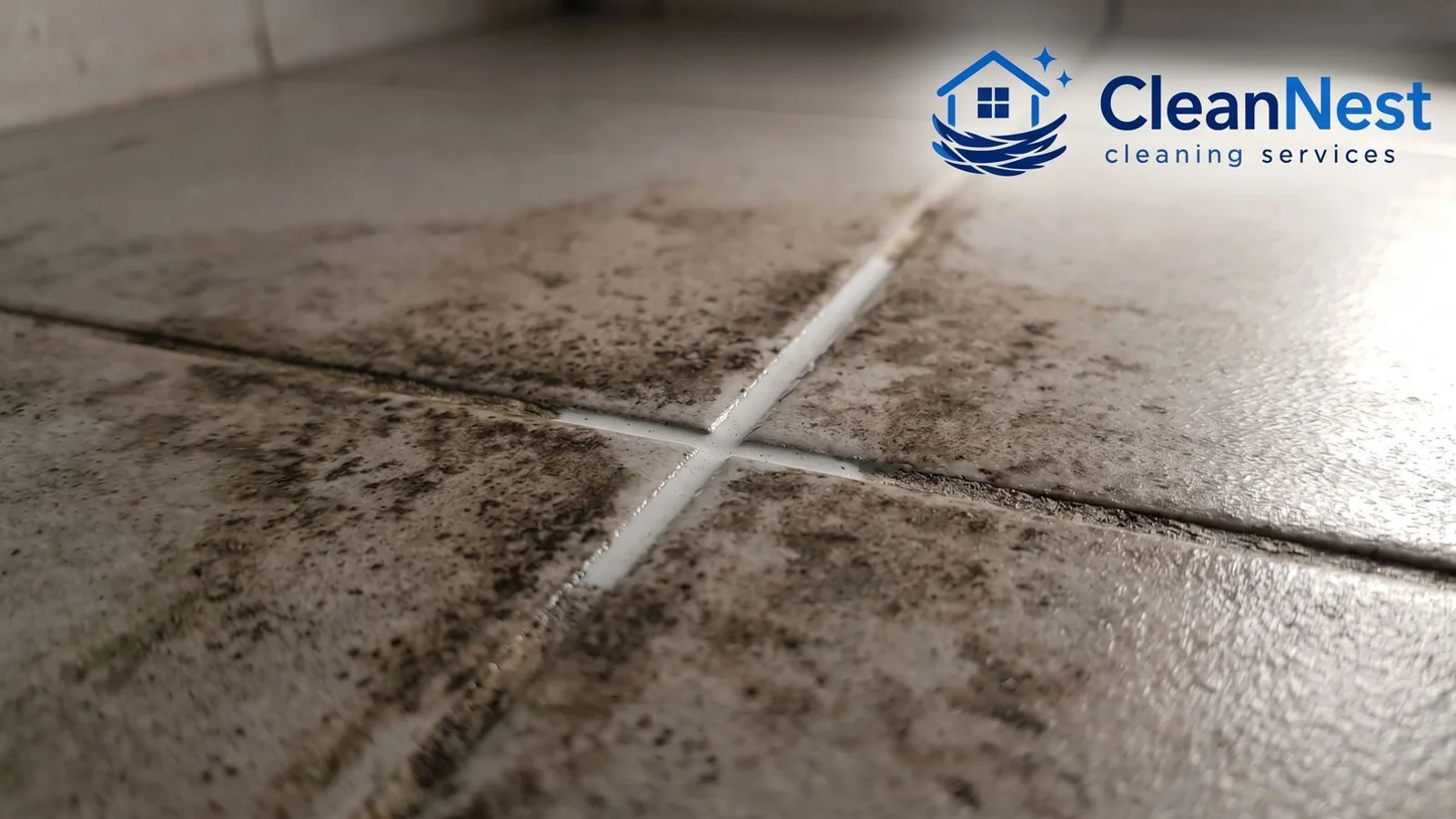
The most common trigger for an intensive session in Kuala Lumpur is degrading bathroom tile lines. Our local climate maintains an average humidity above 80% year-round, creating the perfect breeding ground for fungal growth.
Recent research from Universiti Kebangsaan Malaysia (UKM) found that approximately 83.2% of Malaysian residences show evidence of mould contamination. We frequently see species like Aspergillus and Stachybotrys chartarum taking hold in poorly ventilated shower areas.
Routine bathroom wiping only cleans the glazed tile surface. It completely fails to penetrate the porous grout lines where the fungal root system, known as hyphae, actually lives.
Signs to look for:
- Grout lines on the floor or wall are noticeably darker than they were 6 months ago.
- Black or brown spotting along grout lines, especially near the floor and around the shower.
- Silicone seals around the bathtub, shower screen, or sink are discoloured or have visible mould spots.
- A persistent musty smell in the bathroom despite regular cleaning.
A proper reset treats these porous lines specifically through careful scrubbing with KKM-approved disinfectants. We will always flag severely degraded silicone for complete replacement rather than scrubbing endlessly, as the mould often penetrates too deeply to remove.
Sign 2: Kitchen Has a Persistent Grease Film
Cooking grease migrates much further through your indoor air than most homeowners realise. We find that the frequent wok cooking typical in Malaysian households generates high volumes of sub-micron oil particles. These tiny droplets float through the air and settle far beyond the immediate stove area.
Even with regular surface wiping, a stubborn grease film accumulates on:
- Upper cabinet doors and top surfaces.
- Backsplash tile and grout lines.
- The exhaust hood and the ceiling near the cooktop.
- The exterior of appliances like the fridge, microwave, and oven door.
- The wall located directly behind and beside the stove.
The easiest way to check is to run a dry microfibre cloth along the top of an upper cabinet. You have an established grease film if the cloth comes back yellow-brown and feels tacky. Routine wiping using standard dish soap simply smears this polymerised oil around.

A 2024 AIRAH study demonstrated that well-maintained exhaust and kitchen systems reduce lingering odours by 78%, highlighting how much grease gets trapped in the environment. We use targeted alkaline degreasers to break the chemical bond of this sticky layer.
Sign 3: Persistent Odours You Can’t Pin Down
Unidentifiable smells that linger after airing out the property usually point to accumulated organic grime. Malaysia’s Department of Occupational Safety and Health (DOSH) warns that trapped damp air in our climate quickly leads to microscopic biofilm development.
We typically trace these stale or musty scents back to three main culprits:
- Carpets and upholstery: High humidity locks in dead skin cells, sebum, and absorbed odours deep within the fibres.
- Behind and under appliances: Hidden food residue, grease drops, and undisturbed dust decompose over time.
- Bathroom drains and silicone: Slow-developing bacterial biofilm thrives in these constantly wet zones.
A systematic approach addresses all three of these hidden odour traps at the source. We find that the lingering smell usually resolves fully within 24 to 48 hours after a comprehensive extraction.
Sign 4: Allergy Symptoms Have Worsened
Accumulated dust resting on out-of-reach surfaces acts as a massive trigger for respiratory issues. We constantly see standard cleaning routines miss the high-level areas where allergens settle.
According to 2025 epidemiological reviews, the prevalence of house dust mite allergy in Malaysia sits at a staggering 60 to 80% of the population. Our tropical temperatures between 25°C and 35°C allow Dermatophagoides pteronyssinus mites to breed rapidly in undisturbed dust.
Common neglected areas include:
- Ceiling fans, which most people clean once every 6 to 12 months at best.
- Light fixtures, lampshades, and high shelving.
- Air conditioning vents and the space behind A/C units.
- Window blinds, curtain rods, and the tops of large cabinets.
You should suspect hidden dust accumulation if anyone in the household experiences worse sneezing or asthma symptoms indoors compared to outside. We specifically target these high-level zones to remove the particulate matter feeding the dust mites.
Sign 5: Visible Build-Up You Can’t Ignore Anymore
The final and most obvious indicator is when the accumulated grime becomes highly visible across multiple rooms. We know that urban particulate ingress in the Klang Valley accelerates this process significantly. High PM2.5 levels during seasonal haze events push fine dirt into your living spaces, where it binds with indoor humidity.
Visual indicators include:
- Thick dust clearly visible on ceiling fan blades from the floor.
- Obvious discolouration on bathroom grout, silicone seals, or floor tiles.
- Yellowed, sticky, or tacky surfaces across the kitchen cabinetry.
- Foggy or filmy windows that remain cloudy even after standard glass cleaning.
- Noticeable dirt build-up in tight corners or directly behind large furniture.
These visible deep cleaning KL signs mean your maintenance is already long overdue. We recommend booking a service sooner rather than later, as polymerised grease and set-in stains become exponentially harder to remove over time.
How Often Should You Deep Clean a KL Home?
Klang Valley humidity drives grime rebuilding much faster than in drier, temperate climates. When determining the right deep clean frequency malaysia residents should follow, we strongly advise adjusting your schedule based on your specific household composition.
Homes without central air conditioning experience elevated moisture levels that penetrate soft furnishings daily. Our team has compiled a data-driven baseline schedule to help you plan effectively.
| Household Profile | Recommended Frequency | Key Risk Factors in Malaysia |
|---|---|---|
| High-Traffic (Pets, Kids, Allergies) | Every 3 to 4 months | Dust mites, pet dander, rapid spill contamination |
| Standard Occupancy (No Pets) | Every 6 months | General dust accumulation, kitchen grease build-up |
| Low-Traffic (Single/Couple) | Every 9 to 12 months | Biofilm in drains, hidden A/C dust |
Properties that have skipped intensive maintenance for a year or more require significantly more restorative work. We always quote the initial reset accordingly to account for the heavy lifting required to reach a maintainable baseline.
Pair Deep Cleaning With Recurring Maid Service
A hybrid approach consistently delivers the best results for homes in the Klang Valley. We find that combining occasional intensive resets with regular upkeep prevents the environment from degrading past the point of no return.
A highly effective pattern looks like this:
- One comprehensive session to reset the baseline.
- Bi-weekly or monthly hourly maid service to maintain surface cleanliness.
- Another intensive reset every 6 months to catch what the routine visits cannot reach.
This combined strategy is far more cost-effective than relying solely on a weekly maid, as those short visits never allow time for heavy scrubbing. We also know it is more practical than an annual one-off service because tropical grime accumulates far too fast without ongoing attention.
For specific trouble spots, see our guide on Stubborn Grime, Bathroom Buildup, and Mould.
Self-Diagnostic Checklist: When Does My Home Need a Deep Clean?
Take a quick mental inventory of your current living space using this simple tool. We suggest booking a session if you answer “yes” to any two of the following statements.
- Bathroom grout looks darker than it was 6 months ago.
- I can see a grease film on the kitchen cabinets or backsplash.
- There is a persistent smell I cannot identify.
- Allergies have gotten worse in the home.
- I have been postponing cleaning a specific area I have noticed.
WhatsApp Clean Nest for a deep clean quote by sending photos of your bathrooms and kitchen, and get a quote within the hour. Or visit our deep cleaning service page. If you are still wondering when does my home need a deep clean, reaching out to our team is the fastest way to get a professional assessment.
Common Questions
Quick answers to the questions readers ask after reading this guide.
How often is a deep clean recommended? expand_more
Is one deep clean enough? expand_more
Ready to book a Clean Nest team?
Vetted, legally employed, all-female team. KKM-approved eco products. No deposit. Pay after the job is done.